Best Apps for Sleep Tracking in 2025
Sleep tracking has become an essential tool for millions who want to enhance their rest and overall health. Poor sleep impacts various aspects of life, including mood, concentration, immune function, and weight management.
Sleep tracking apps help users understand their sleep patterns, identify issues, and make necessary adjustments to achieve better rest.
These apps use your smartphone’s sensors or connect to wearable devices to monitor when you fall asleep, how long you sleep, and the quality of your rest.
Many apps also track sleep stages, such as deep sleep and REM sleep. Some include features like smart alarms that wake you during lighter sleep phases, making mornings feel less groggy.
When choosing a sleep tracking app, accuracy is the most crucial factor to consider. Look for apps that have been thoroughly tested and reviewed by both users and experts. Battery usage matters too, as some apps can drain your phone’s battery overnight. Consider whether you want basic tracking or advanced features, such as sleep coaching and detailed reports. We tested 12 popular sleep tracking apps to identify those that provide the most accurate data and valuable insights for enhancing sleep quality.
Best Apps for 2025
We tested dozens of sleep tracking apps to find the ones that work best. Our top picks help you understand your sleep patterns and improve your rest quality.
Garmin Index Sleep Monitor
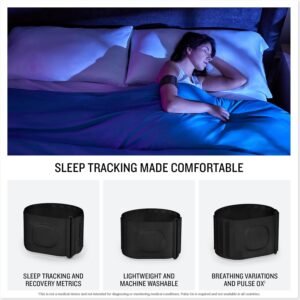
We recommend the Garmin Index Sleep Monitor for users who want detailed sleep data without wearing a watch to bed, though syncing issues may frustrate some users.
Pros
- Extremely comfortable arm band design that we barely notice while sleeping
- Week-long battery life means fewer frequent charging interruptions
- Comprehensive sleep metrics, including HRV and sleep stages that match watch-quality data
Cons
- Syncing failures occur roughly once every five nights in our testing
- Innovative alarm feature works inconsistently and requires backup alarms
- Pulse ox readings often fail after the first night of use
The Garmin Index Sleep Monitor solved our biggest complaint about sleep tracking. We love our Garmin watches during the day, but wearing them at night felt bulky and uncomfortable.
This lightweight arm band sits on our upper arm and delivers the same quality sleep data we expect from Garmin devices. The sleep scores, stage tracking, and HRV measurements integrate perfectly with our existing Garmin ecosystem through the Connect app.
Battery life impressed us most during testing. Seven nights of tracking without charging means we rarely think about power management—the band charges quickly when needed.
However, we experienced frustrating technical issues that dampened our enthusiasm. Data syncing failed approximately 20% of the time, resulting in gaps in our sleep records. The smart wake alarm functioned for a few days before ceasing to work completely.
We still reach for backup alarms because we can’t trust the vibrating wake feature. Software updates seem to download constantly, even when we updated the device the previous day.
Despite these problems, we appreciate the comfort factor. Side sleepers will find this much better than rings or watches. The adjustable band stays secure without feeling tight or restrictive during sleep.
Fitbit Inspire 3
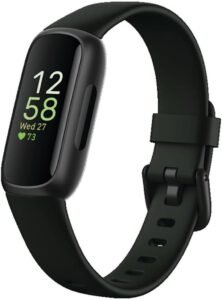
The Fitbit Inspire 3 offers solid sleep tracking with helpful daily scores, although it requires a premium subscription to unlock its full features.
Pros
- Sleep tracking works automatically and provides detailed daily sleep scores.
- Battery lasts up to 10 days, so you never miss tracking at night
- Lightweight design stays comfortable throughout the night
Cons
- Premium membership costs extra to access personalized sleep insights
- The small screen makes it hard to read detailed information
- The setup process requires a phone connection and can be confusing
We tested the Inspire 3 for several weeks and found its sleep tracking quite accurate. The device automatically detects when we fall asleep and wake up, without requiring any button presses. Each morning, we get a sleep score that breaks down our light, deep, and REM sleep stages.
The comfort factor impressed us most during nighttime wear. We barely noticed the lightweight band on our wrist while sleeping. The battery life allows us to charge it only once a week, ensuring we never miss tracking our sleep patterns.
However, the premium subscription requirement frustrated us. Many of the detailed sleep insights and personalized recommendations incur a $10 monthly fee after the free trial ends. The small touchscreen also makes reading sleep data challenging in the dark.
We appreciate how the Inspire 3 connects our sleep data with daily readiness scores. Poor sleep nights clearly show up in lower activity recommendations the next day. The smart wake alarm gently vibrates during lighter sleep phases, which helps us feel less groggy in the morning.
Withings Sleep Tracking Pad
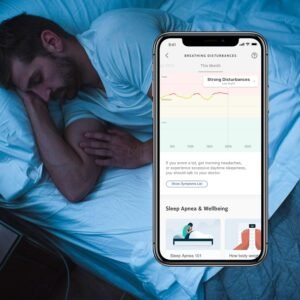
We recommend this under-mattress sensor for individuals who prefer hands-free sleep tracking, although its accuracy may be inconsistent compared to wearable devices.
Pros
- Works completely hands-free once placed under your mattress
- Tracks heart rate and detects snoring without wearing anything
- Connects seamlessly with other Withings health devices
Cons
- Sleep data accuracy seems questionable at times
- Sometimes registers you as sleeping when you’re awake in bed
- Costs more than fitness trackers with similar sleep features
We found the Withings Sleep Pad refreshingly simple to use after the initial setup. You just slide it under your mattress and forget about it. The device automatically starts tracking when you get into bed.
The snoring detection feature caught episodes we didn’t even realize were happening. We also appreciated how it measured our heart rate throughout the night without any chest straps or wristbands.
However, we noticed some odd readings during our testing period. The pad sometimes showed us as sleeping when we were clearly awake and scrolling on our phones. The sleep stage data also felt less reliable than what we’ve experienced with quality fitness trackers.
The pneumatic sensor technology is interesting, but we question whether it offers sufficient value compared to cheaper alternatives. While it integrates well with the broader Withings ecosystem, standalone users might find better options elsewhere.
Buying Guide
Key Features to Consider
Battery life matters most for sleep tracking apps. We want apps that won’t drain our phone overnight.
Accuracy is crucial for valuable data. Look for apps that utilize multiple sensors, such as your phone’s accelerometer and microphone.
Data export helps us share information with doctors. The best apps enable us to download our sleep data easily.
Compatibility Requirements
Verify that the app is compatible with your phone’s operating system. Some apps only work on newer versions.
Wearable integration adds value. Apps that connect to fitness trackers provide us with more accurate sleep data.
Smart home compatibility can enhance tracking. Some apps work with innovative mattresses or sleep devices.
Privacy and Data Security
Sleep data is personal information. We should choose apps that effectively protect our privacy.
Read the privacy policy before downloading. Look for apps that keep data on our device instead of sending it to servers.
Data sharing policies vary between apps. Some sell our information to third parties.
Cost Considerations
Feature: TypeFree AppsPaid Apps
Basic tracking ✓ ✓
Advanced Analytics Limited ✓
Export options Basic Full
Customer support Limited Priority
Free versions often have ads or limited features. Premium subscriptions typically cost $3-$ 10 per month.
One-time purchases can be cheaper than monthly fees for long-term use.